Destinations
Where am I going?
botswana
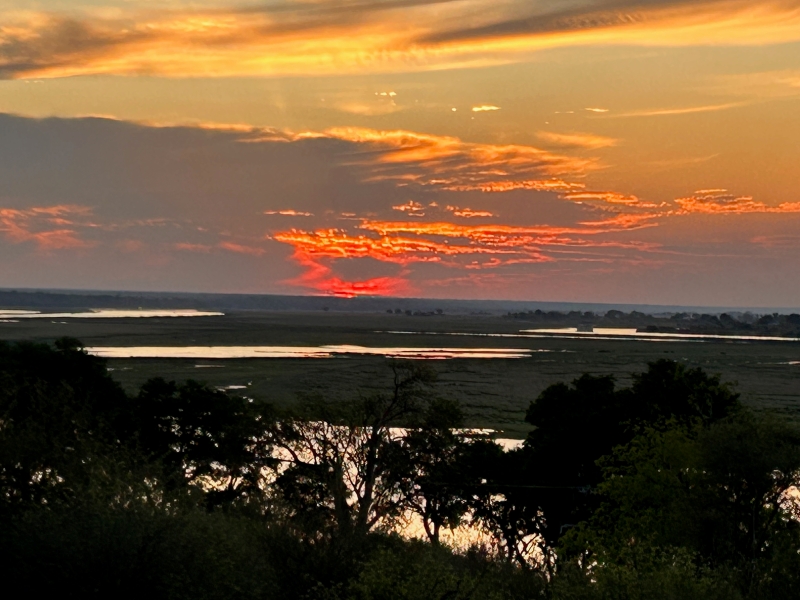
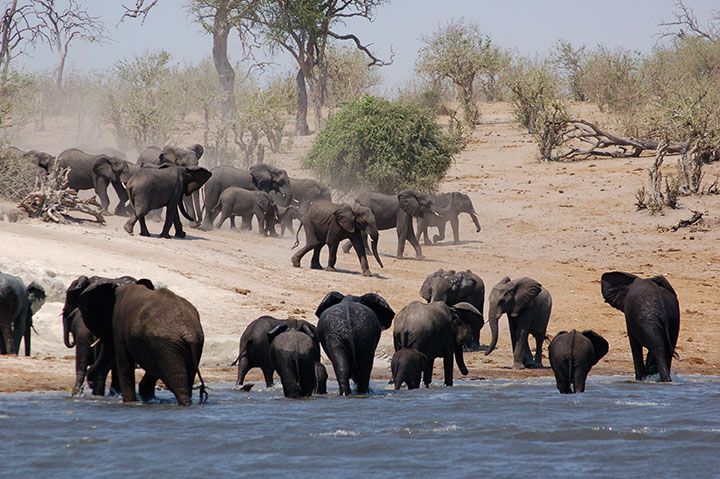
Undoubtedly one of the most awe-inspiring countries in Africa, Botswana has a landscape teeming with wildlife like no other. It is home to both the Kalahari Desert and the Okavango Delta.
If elephants had a favourite holiday destination, it would almost certainly be Chobe National Park in northern Botswana, famous for having the highest concentration of elephants in Africa. While elephants may be the headline act, they’re far from the only stars of a Chobe safari. The park is also home to massive buffalo herds, lions, leopards, hippos, crocodiles, and an incredible variety of antelope.
Gliding quietly through the reeds in a traditional mokoro canoe, you hear nothing but birds and the gentle splash of the pole behind you. This is the Okavango Delta, one of the most extraordinary wildlife ecosystems on Earth. A lush inland oasis where a rebellious river spreads across the Kalahari Desert, creating a wildlife paradise of winding waterways, palm islands, and open savannah.
It is here in Botswana I saw one of my favourite entrance billboards – an image of a majestic elephant herd and the words “Here we have right of way”.
Chobe National Park & Chobe River
Picture the sun dropping toward the horizon as your boat drifts along the Chobe River. A herd of elephants wades into the water ahead of you, calves splashing between the adults while hippos grumble nearby. Welcome to Chobe National Park (11,700 sq kms), one of the most wildlife-rich destinations on any Botswana safari. If elephants had a favourite holiday destination, it would almost certainly be Chobe National Park in northern Botswana, famous for having the highest concentration of elephants in Africa. While elephants may be the headline act, they’re far from the only stars of a Chobe safari. The park is also home to massive buffalo herds, lions, leopards, hippos, crocodiles, and an incredible variety of antelope. Bird lovers will be equally thrilled, as the park boasts more than 450 bird species, making it one of the best birdwatching destinations in Africa.
Karen’s tip: The river boat safari on the Chobe River is non-negotiable. Elephants swimming in the river is the kind of ‘Africa moment’ people talk about for years.
Okavango Delta
The Okavango Delta in Botswana is one of Africa’s most extraordinary safari destinations — a lush inland oasis where a rebellious river spreads across the Kalahari Desert, creating a wildlife paradise of winding waterways, palm islands, and open savannah. Here, elephants splash through lagoons, hippos rule the channels, and more than 400 bird species fill the skies. It’s wild, magical, and exactly the kind of place that turns an Africa safari into the adventure of a lifetime.
Karen’s tip: The mokoro canoe ride is pure magic. Quiet, slow, and occasionally interrupted by a hippo reminding everyone whose river this really is.
South Africa
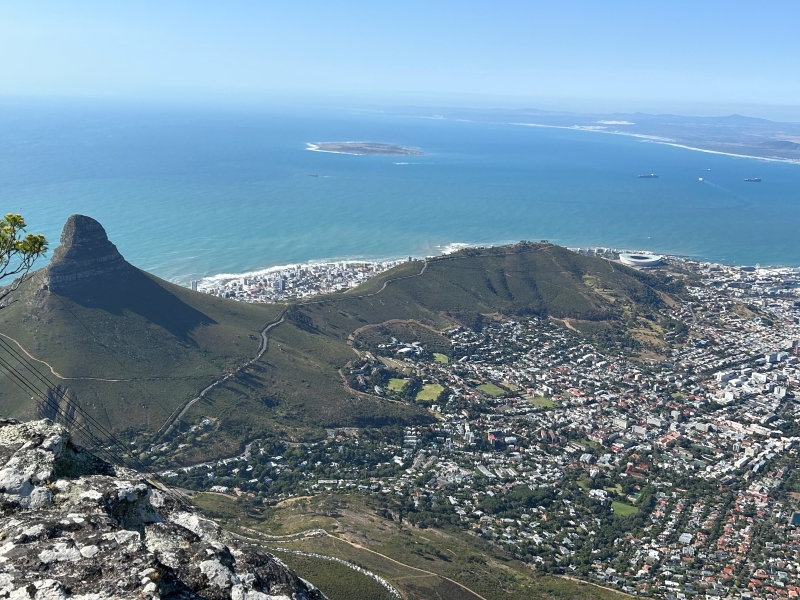
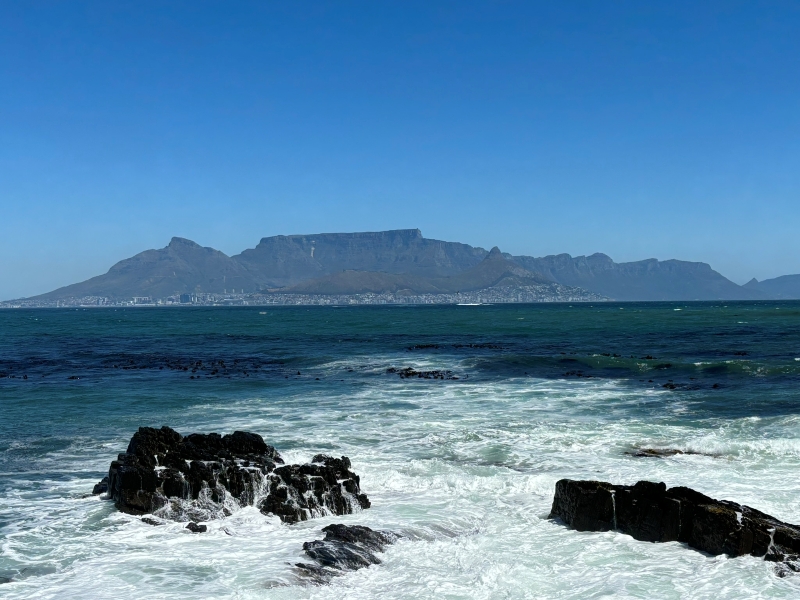
South Africa is more than just a destination—it’s an experience that awakens your spirit with its breathtaking landscapes and vibrant cities, rich heritage and unforgettable encounters. It’s Africa’s best ‘one-stop shop’ for leisure, wildlife and adventure, and on my tours you’ll experience the hidden gems no other travel company shares.
Cape Town
Every year, thousands of tourists flock to Africa’s #1 travel destination, Cape Town. In this port city on South Africa’s south west coast, on a peninsula beneath the imposing Table Mountain, you get to experience the eclectic mix of cultures, breathtaking scenery, wine culture and home of the world renowned Two Oceans Marathon. It is here Dr. Christiaan Barnard performed the first-ever heart transplant in 1967, and it is here where the Indian and Atlantic Oceans meet at Cape Agulhas, the southern-most tip of Africa.
Hermanus
Stretched along a narrow ribbon of land between towering mountains and a spectacular shoreline, internationally renowned for its Southern Right Whales, Hermanus sits on the edge of Walker Bay, surrounded by nature in her grandest style. First established as a farming community, Hermanus attracts visitors because of its breathtaking setting, quaint fisherman’s cottages and unspoilt natural beauty. Despite being one of South Africa’s most loved tourist destinations, Hermanus has managed to maintain the quaint and tranquil atmosphere of years gone by.
Zimbabwe
Zimbabwe
Victoria Falls
At 1.7 kilometres wide and 108 metres high, Zimbabwe’s mighty Victoria Falls doesn’t just make an impression — it makes a statement. A thunderous, misty, jaw-dropping kind of statement. Recognized as one of the world’s Seven Natural Wonders and a UNESCO World Heritage Site, it’s spectacular year-round.
While Victoria Falls isn’t technically the tallest or widest waterfall on Earth, when the Zambezi River is in full flood it produces the largest curtain of falling water on the planet — a roaring wall of white that stretches almost the entire width of the horizon. Stand anywhere near the edge and you’ll quickly understand why cameras struggle to capture the scale… and why ponchos suddenly seem like a very good idea.
The falls sit within Victoria Falls National Park, a protected area of rainforest, gorges, and riverine wilderness that hugs the Zimbabwean side of the Zambezi River. The constant spray from the falls creates its own lush microclimate, sustaining dense rainforest that feels almost out of place in the surrounding savannah. Walking the network of trails along the edge of the gorge reveals one dramatic viewpoint after another — along with rainbows that appear and disappear in the mist like nature’s special effects department.
Long before explorers and travel brochures arrived, local people knew the falls as Mosi-oa-Tunya, meaning “The Smoke That Thunders.” The name couldn’t be more fitting. The roar of crashing water echoes through the gorge while towering plumes of mist rise hundreds of metres into the sky, visible from kilometres away — like nature announcing its presence with a drumroll and a fog machine.
The human story around the falls is just as deep as the gorge below them. Archaeological evidence suggests people have lived in the region for over three million years, dating back to the Stone Age. Over time, different cultures left their mark here, including the Khoisan people and their descendants. Later, the Batoka settled in the area — many of whom still live here today — alongside other groups including the Matabele, Lozi and Makololo.
In 1855, it was the Makololo people who introduced the Scottish missionary and explorer David Livingstone to the falls. After seeing them for the first time, Livingstone named them in honour of Queen Victoria — a loyal gesture, though the local name arguably captures the experience a little better.
Livingstone’s first glimpse came from a small island perched at the very lip of the falls, now known as Livingstone Island, which can still be visited today by adventurous travellers. He reached it by dugout canoe, guided by Chief Sekeletu. Standing there, staring into the surging water and swirling mist, he famously wrote:
“No one can imagine the beauty of the view from anything witnessed in England… scenes so lovely must have been gazed upon by angels in their flight.”
More than 160 years later, visitors still struggle to find better words.
Karen’s tip: Wear shoes that can get wet. The mist from the falls has a way of finding you… even when you think you’re standing well back – so don’t wear white clothing.
Hwange National Park
Hwange National Park is Zimbabwe’s largest, oldest, and most popular reserve, covering 14,651-square kilometers (roughly the size of Belgium) and it’s also one of the 10 largest parks in Africa. Famous for its “Presidential Herd” of 45,000+ elephants, it is a premier “Big Five” destination and is one of the best places in Africa to the see the endangered African wild dog (also known as the painted dog), with a dedicated conservation centre nearby.
No fences restrict the animals, allowing them to roam freely between the park and the surrounding private, wildlife-rich concessions including Iganyana Tented Camp where we will be staying. It’s a Birding paradise with over 400 species recorded, and ancient history tells us the area was formerly the royal hunting grounds for the Ndebele warrior-king Mzilikazi in the early 19th century.
Kenya
Kenya
Nairobi
The first thing most of us visitors notice about Nairobi is the traffic. Matatus weaving through lanes, motorbikes darting past, road markings that seem more like suggestions, and drivers who appear to follow a universal rule of “everyone for themselves.” Yet somehow, it all works. Locals navigate the flow with impressive confidence — a kind of organized chaos that quickly becomes part of Nairobi’s charm.
Welcome to Nairobi, Kenya’s vibrant capital and largest city, home to roughly 4–5 million people and often called the “Green City in the Sun.” Founded in 1899 as a railway depot, the city has grown into a major hub for business, culture, and tourism in East Africa.
What makes Nairobi truly unique is that it’s the only capital city in the world with a national park on its doorstep. At Nairobi National Park, lions, rhinos, giraffes, and buffalo roam the savannah with the city skyline rising in the background — one of the most surreal wildlife scenes you’ll find on a Kenya safari.
The city also offers several wonderful wildlife experiences, including the Giraffe Centre, where endangered Rothschild’s giraffes greet visitors eye-to-eye, and the Sheldrick Wildlife Trust, famous for its elephant orphanage dedicated to rescuing and rehabilitating young elephants.
Beyond the wildlife, Nairobi buzzes with life. Colourful matatus (minibuses) zip through the streets, informal traders sell handcrafted goods along busy sidewalks, and plant sellers display rows of vibrant pots and greenery that thrive in the city’s sunny climate.
For many travellers, Nairobi is simply the gateway to safari. But spend a little time here and you’ll discover a city full of energy, character, and stories waiting around every corner.
Karen’s tip: If the traffic looks chaotic, don’t worry — your driver understands the rhythm of it all. Sit back, enjoy the ride, and consider it your first true taste of Nairobi.
Samburu National Reserve
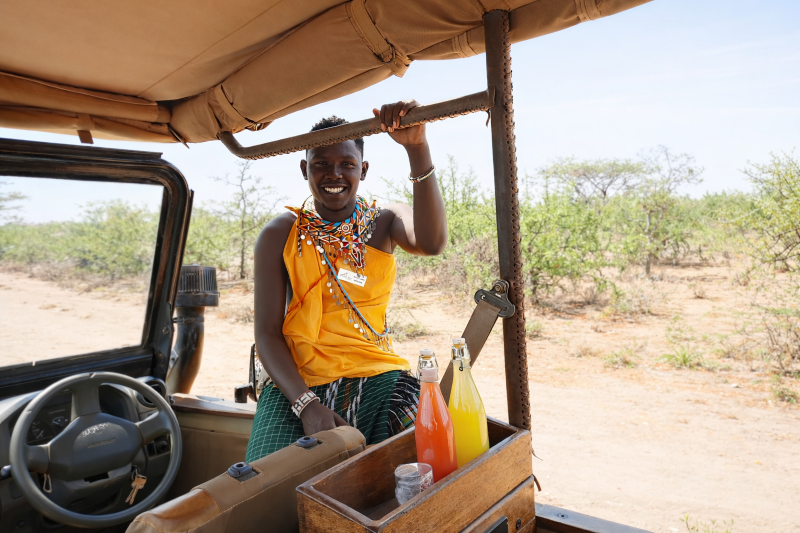
The landscape changes as you head north in Kenya. The grass grows shorter, the air feels drier, and the colours shift to dusty reds and golds. Then the Ewaso Ng’iro River appears like a ribbon of life through the desert — and suddenly wildlife is everywhere.
Welcome to Samburu National Reserve, one of the most fascinating and less-visited destinations on a Kenya safari. Located about 350 km north of Nairobi, this rugged reserve covers roughly 165 km² of dramatic landscapes — palm groves, riverine forests, rocky hills, and open semi-arid plains.
What makes Samburu truly special is its wildlife. Alongside elephants, lions, leopards, and cheetahs, the reserve is famous for the rare “Samburu Special Five” — Grevy’s zebra, reticulated giraffe, Somali ostrich, gerenuk, and the elegant beisa oryx — species uniquely adapted to northern Kenya’s dry environment.
The Ewaso Ng’iro River, northern Kenya’s largest river, is the lifeline of the reserve, drawing wildlife to its banks while elephants wander through the acacia forests and big cats patrol the shade.
Samburu is also the traditional homeland of the Samburu people, whose vibrant culture has long been tied to the land and river. Together, the wildlife, landscapes, and culture create a safari experience that feels raw, authentic, and wonderfully wild.
Karen’s tip: Watch for the gerenuk, sometimes called the “giraffe gazelle.” Seeing this elegant antelope stand on its hind legs to reach leaves always looks a little like nature trying yoga for the first time.
Tanzania
Tanzania
Serengeti National Park
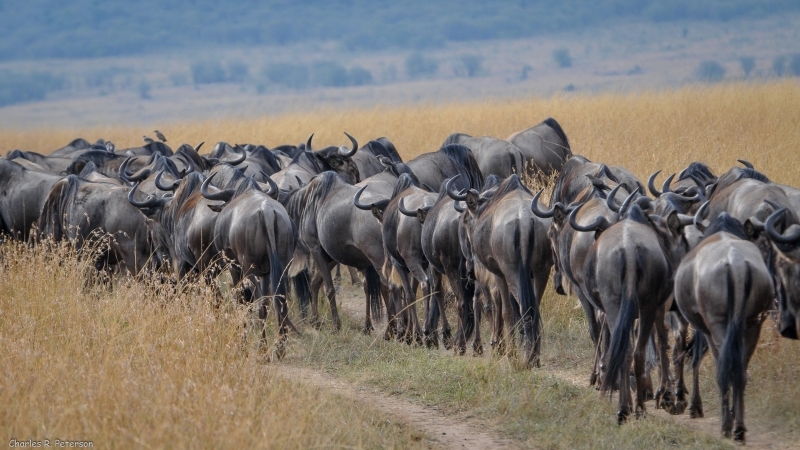
There’s a moment in the Serengeti when you stop the safari vehicle, step out for a stretch, and realise the horizon stretches so far it almost feels like the earth forgot to end. Just golden plains, endless sky, and the quiet sense that something with spots, stripes, or very large teeth could appear at any moment.
Welcome to Serengeti National Park, one of the most iconic wildlife destinations on any Tanzania safari. This UNESCO World Heritage Site covers nearly 15,000 square kilometres of open savannah in northern Tanzania, creating one of the most spectacular natural theatres for wildlife on the planet.
The Serengeti is famous for the Big Five and boasts one of the highest concentrations of predators in Africa, including lions, leopards, cheetahs, and hyenas. The wide-open plains make wildlife surprisingly easy to spot — which is exactly why seasoned safari travellers often prefer visiting outside the peak migration season. With fewer vehicles around, sightings feel more intimate and the landscape returns to the quiet, wild rhythm that makes the Serengeti so special.
Yes, the park is known for the annual Great Migration, when more than 1.5 million wildebeest, zebra, and gazelle move through the ecosystem. But the truth is, the Serengeti delivers extraordinary wildlife viewing all year round — without the traffic jam of safari vehicles that sometimes accompanies migration hotspots.
And when the sun sets over the endless plains, painting the sky in shades of gold and crimson, it becomes clear why the Serengeti remains one of Africa’s greatest safari landscapes.
Karen’s tip: The magic of the Serengeti isn’t just the animals — it’s the space. Take a moment to look out across those endless plains and soak in the quiet. It’s one of the rare places left on Earth that still feels truly wild.
Uganda
Uganda
Bwindi Impenetrable National Park
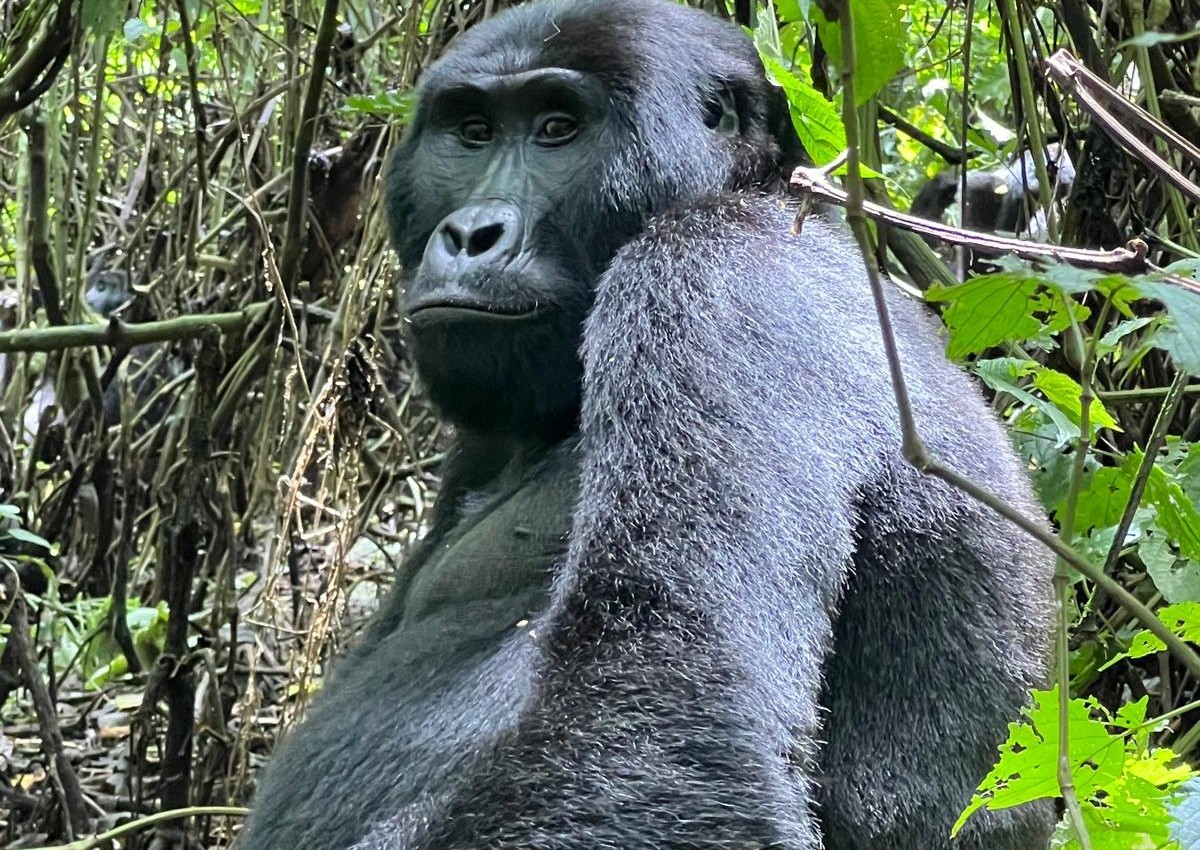
Hidden in the misty mountains of southwestern Uganda, Bwindi Impenetrable National Park is one of Africa’s most extraordinary wildlife destinations.
This UNESCO World Heritage Site protects more than 450 endangered mountain gorillas — nearly half the world’s remaining population — making it the crown jewel of any Uganda gorilla trekking safari.
Covering 321 km² of ancient rainforest, Bwindi lives up to its dramatic name. Steep hills, thick vines, towering trees, and misty forest trails make every trek feel like stepping into a nature documentary — except you’re actually in it.
With limited permits arranged months in advance, you trek through the forest with an experienced guide to find one of 19 habituated gorilla families. The hike can take two to eight hours, but the moment you lock eyes with a silverback or watch young gorillas tumbling through the undergrowth makes every step worth it. Wild, mysterious, and deeply moving — Bwindi is one of the most powerful wildlife encounters in Africa you will ever have.
Beyond the gorillas, the park is a biodiversity hotspot with 120+ mammal species, over 350 birds, and around 1,000 plant species.
Karen’s tip: Bring gardening gloves for your gorilla trek. Grabbing vines and branches while climbing steep forest trails becomes much easier — and your hands will thank you later.
Entebbe
Set on a leafy peninsula along the shores of Lake Victoria, Entebbe is the relaxed gateway to any Uganda safari. Located about 35 km south of Kampala and home to the country’s main international airport, it’s a calm and scenic place to ease into East Africa before the real adventure begins.
Small and easy to explore, Entebbe is perfect for wandering on foot — or, if you’re feeling brave, hopping on a local motorbike taxi known as a ‘boda boda’ (think Uber… but with more wind in your hair).
The Uganda Wildlife Education Centre is well-worth visiting to learn about the country’s native wildlife, browse local markets and curio shops, as is a stroll through the Entebbe Botanical Gardens where monkeys swing overhead and colourful birds fill the trees.
The name Entebbe comes from the Luganda phrase meaning “seat” or “chair,” once a traditional meeting place for the Mamba clan and later the colonial administrative centre. Today it’s also home to the official residence of Uganda’s President** — though the town itself remains wonderfully laid-back.
Zanzibar
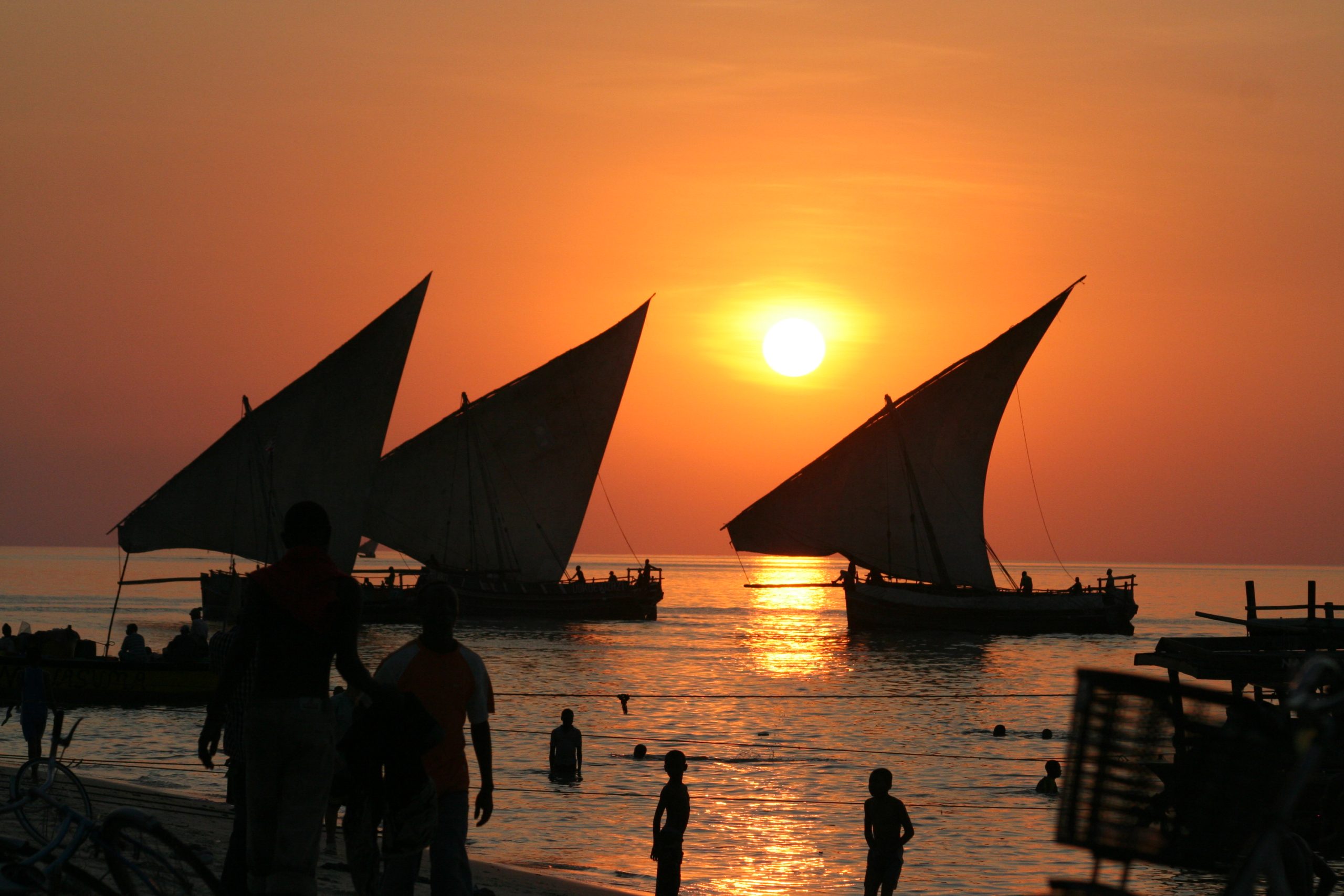
Zanzibar
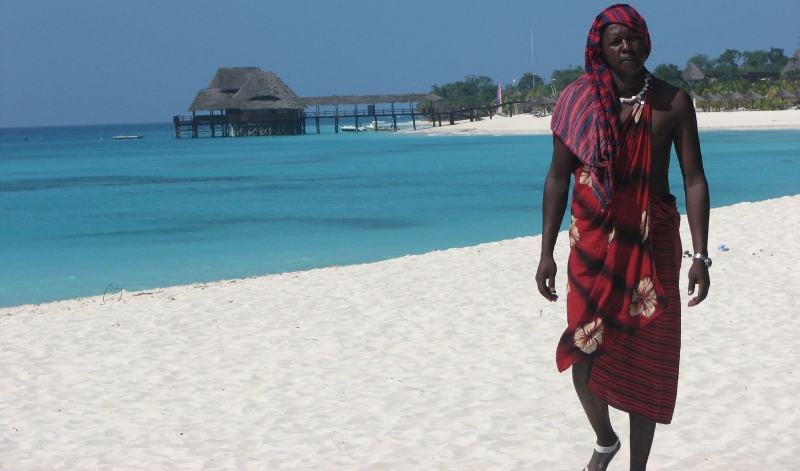
After a safari filled with early mornings and thrilling wildlife sightings, Zanzibar is the perfect place to exhale.
Karen’s tip: Wander Stone Town without a strict plan. The magic is in getting slightly lost among the narrow streets, carved doors, and tiny spice shops.
Spice Island
Located just 25–50 km off the coast of Tanzania, this tropical archipelago — famous as the “Spice Island” — blends African, Arab, and Indian influences into a culture as colourful as its markets.
At the heart of the island lies Stone Town, a UNESCO World Heritage Site of winding alleyways, carved wooden doors, and centuries-old coral stone buildings. It’s also the birthplace of Freddie Mercury, proving the island has long had a flair for a little drama.
Of course, many visitors come for the beaches — and Zanzibar delivers. Think powdery white sand, swaying palms, and warm turquoise water that makes “just one quick swim” somehow turn into an entire afternoon.
Snorkelling, diving, and dolphin spotting are popular here, and a spice tour offers the chance to smell and taste the cloves, vanilla, cinnamon, and nutmeg that once made Zanzibar one of the most important trading hubs in the world.
Would you like to come home with me?
Born and raised in Zimbabwe, I have a lifetime of experience and knowledge of Africa and there is nothing I love more than to share the best of my backyard.
"SIGN-UP now to be the first to hear when bookings open for the next adventure. Your dream trip is closer than you think and I guarantee it will change your life for the better!
Let me take you home with me.” - Karen
TELL ME MORE!
© 2026 Allwings.ca registered in Canada. No content or part thereof including graphics of any form may be used without express written consent. Contact allwings.ca to request any usage. Website by eCrew.

ONTARIO REG # 2743184